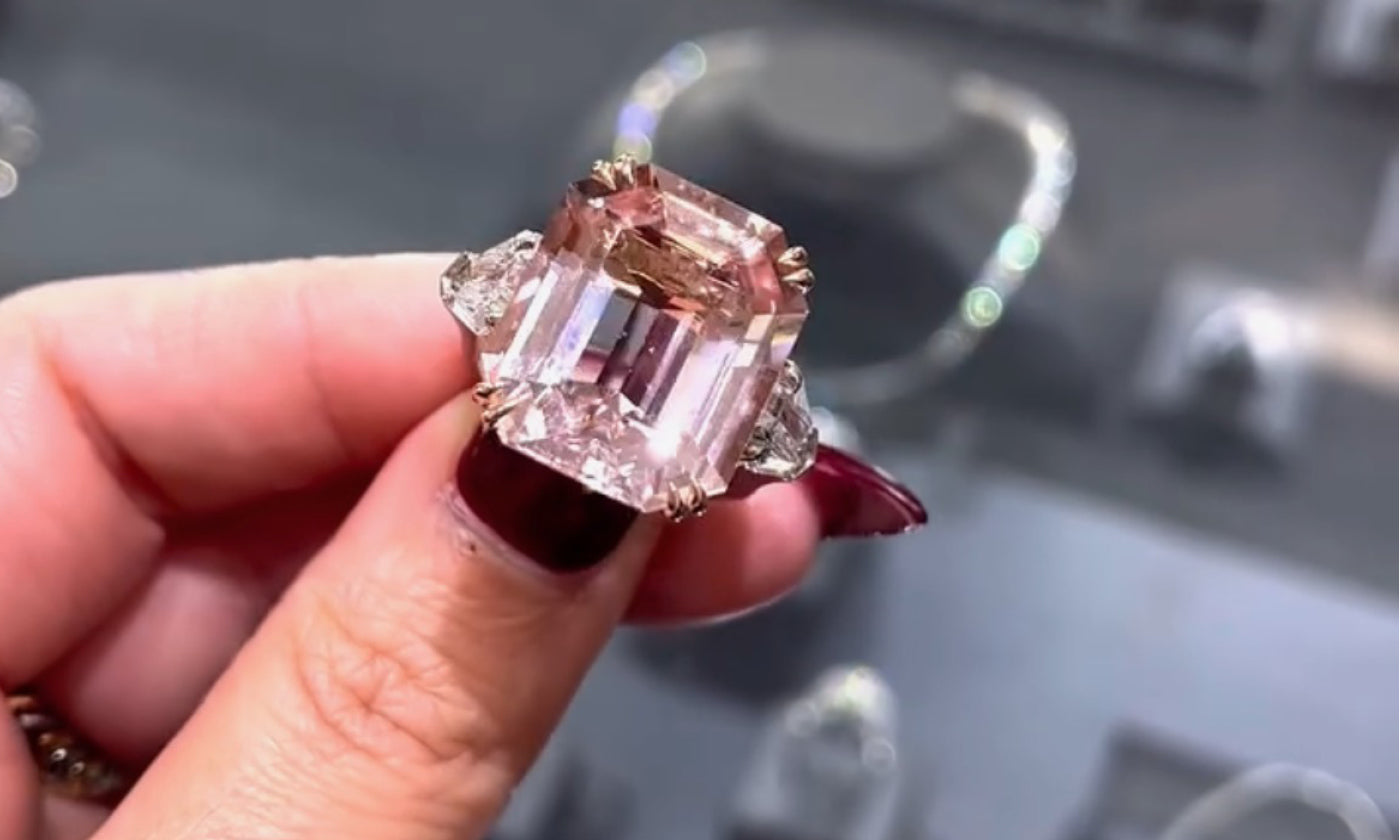

Diamond jewelry has traditionally been associated with rare natural stones, expensive engagement rings, and established luxury brands. However, advances in diamond-growing technology have given buyers more options without sacrificing the beauty of a genuine diamond.
The Novita lab grown diamonds story reflects this shift in the jewelry industry. Founded in Australia, the company introduced a business approach centered on laboratory-created diamonds, accessible pricing, and thoughtful jewelry design. Its journey demonstrates how changing consumer priorities can create opportunities for newer jewelry brands.
The Beginning of Novita Diamonds
Novita Diamonds was founded in Australia in 2019 by Iris Arnold. The idea developed from her personal experience searching for an engagement ring and questioning the environmental and ethical concerns surrounding traditional diamond mining.
Arnold recognized an opportunity as laboratory-grown gemstones became increasingly suitable for fine jewelry. Rather than adding these stones to an existing mined-diamond collection, she established a business focused on them from the beginning.
The name Novita reflects the idea of something new. This identity fits a company that entered an established industry with a different perspective on diamond sourcing, pricing, and customer expectations.
The Novita lab grown diamonds story began with a straightforward goal: make beautiful diamond jewelry more accessible while offering an alternative to conventional mining.
Why Laboratory-Grown Diamonds Became Central
Understanding Novita’s business requires looking at the technology behind its products. Laboratory-grown diamonds are genuine diamonds created under controlled conditions rather than extracted from the earth.
According to the Gemological Institute of America (GIA), these gemstones have essentially the same chemical composition, crystal structure, and optical properties as natural diamonds.
Two principal production techniques make this possible. High-pressure, high-temperature (HPHT) growth uses intense heat and pressure to form diamond crystals. Chemical vapor deposition (CVD) builds diamond material on a seed crystal using carbon-containing gases.
Both methods produce stones suitable for cutting, polishing, and setting into jewelry.
For consumers, lab diamonds offer an opportunity to purchase genuine diamond jewelry at prices generally below those of comparable mined stones. This difference can allow buyers to prioritize a larger center stone, better cut quality, or a more detailed setting.
A Different Approach to Jewelry Shopping
Novita’s development involved more than introducing a different type of gemstone. The company also adopted a shopping model combining online selection with personal consultations.
Customers can browse engagement ring designs, examine stone specifications, and consider different settings before making a purchase. Appointment-based showrooms provide opportunities to see jewelry in person and discuss preferences with specialists.
This approach addresses a familiar challenge in jewelry shopping. An engagement ring often represents a significant financial commitment, yet many customers have limited experience evaluating diamonds.
Clear information about cut, color, clarity, and carat weight helps buyers make meaningful comparisons. A customer might choose a smaller, exceptionally cut diamond instead of a larger stone with less impressive proportions.
Design Choices Beyond Traditional Engagement Rings
Engagement rings remain central to Novita’s identity, but its jewelry offering extends beyond bridal pieces. Wedding bands, earrings, pendants, and bracelets provide options for anniversaries, personal milestones, and everyday wear.
Design flexibility is particularly relevant for engagement rings. Buyers may prefer a classic solitaire, an oval diamond with a delicate band, or a halo setting featuring smaller surrounding stones.
Metal choice also changes the appearance of a finished piece. Yellow gold creates a warmer look, while white gold and platinum provide cooler tones.
These details matter because the setting influences how a diamond looks on the hand. Choosing the right combination involves personal style, practicality, and budget rather than carat weight alone.
Ethical Questions and Consumer Expectations
Environmental and ethical considerations have influenced interest in laboratory-created gemstones. Producing diamonds without conventional mining avoids certain concerns related to excavation, land disturbance, and mineral sourcing.
However, laboratory production still requires energy and specialized equipment. Its environmental impact depends partly on electricity sources, manufacturing efficiency, and supply chain practices.
Therefore, shoppers should avoid assuming every laboratory-created stone has the same environmental footprint. Asking about production origins and available sustainability documentation provides a more informed basis for comparison.
Independent diamond assessments are equally valuable. They help buyers evaluate gemstone characteristics rather than relying entirely on marketing descriptions.
Where Novita’s Story Leads
The Novita lab grown diamonds story illustrates how jewelry businesses can respond to changing expectations without abandoning traditional craftsmanship.
The brand’s Australian beginnings, focus on accessible jewelry, and emphasis on customer choice have shaped its position within the diamond market.
For prospective buyers, the practical lesson is to compare quality, design, documentation, and long-term value before purchasing. Lab diamonds can provide attractive options, but their resale values may differ significantly from retail prices.
A carefully selected diamond should ultimately suit the wearer’s preferences, financial priorities, and intended use. Those considerations remain valuable regardless of where the gemstone originated.