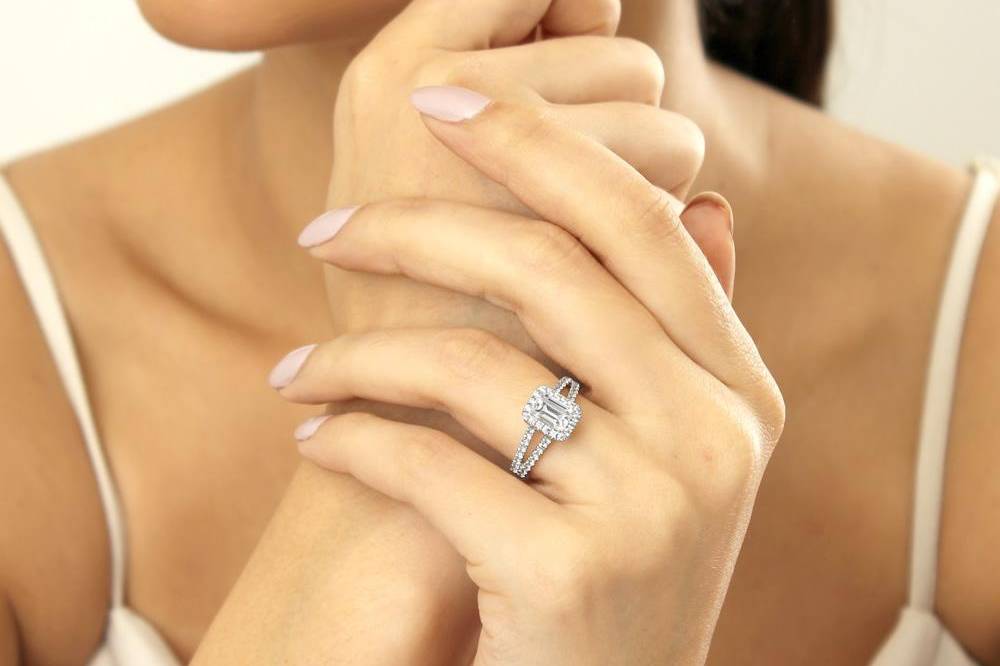

Lab diamonds pendants have become a popular jewelry choice for people who want genuine diamonds with modern production methods. They offer the same physical, chemical, and optical properties as mined diamonds while providing a wider range of designs and price points. Whether you are buying a pendant for yourself or as a gift, understanding quality, diamond cuts, and craftsmanship helps you make an informed decision.
This guide explains how lab made diamonds are created, what affects pendant quality, and how to choose a design that suits your style.
What Are Lab Diamonds Pendants?
Lab diamonds pendants feature diamonds grown in controlled laboratory environments using advanced technology. These diamonds are not diamond simulants such as cubic zirconia or moissanite. They are real diamonds with the same crystal structure as natural diamonds.
Manufacturers typically use either High Pressure High Temperature (HPHT) or Chemical Vapor Deposition (CVD) methods to create these diamonds. After growth, the stones are cut, polished, and graded using the same standards applied to mined diamonds.
Many pendants are available in white gold, yellow gold, rose gold, and platinum settings. Popular designs include solitaire pendants, halo settings, heart shapes, and geometric styles.
Why Choose Lab Diamonds Pendants?
Lab made diamonds appeal to buyers for several practical reasons.
First, they usually cost less than mined diamonds of similar quality. This price difference allows buyers to select a larger diamond or a higher color and clarity grade within the same budget.
Second, they provide consistent quality because manufacturers carefully monitor the growth process. Buyers can find certified stones with excellent cut grades and reliable grading reports.
Third, modern jewelry collections offer many customization options. You can select different chain lengths, setting styles, and diamond shapes to create a pendant that matches personal preferences.
Understanding Diamond Quality
Diamond quality depends on the well-known Four Cs.
Cut
Cut has the greatest influence on brilliance. A well-cut diamond reflects light efficiently and creates strong sparkle. Excellent and Ideal cut grades are often preferred for pendants because they maximize visual performance.
Color
Diamond color ranges from D to Z. D represents the highest colorless grade. Many buyers choose grades between D and H because they appear nearly colorless in everyday wear.
Clarity
Clarity measures internal inclusions and external blemishes. Grades such as VS1, VS2, and SI1 often provide a good balance between appearance and value.
Carat Weight
Carat measures diamond weight rather than size alone. A well-cut one-carat diamond may appear larger than a poorly cut stone of similar weight.
Popular Pendant Styles
Solitaire Pendants
A solitaire features one center diamond. This classic style highlights the stone and works well for daily wear.
Halo Pendants
Halo designs surround the center diamond with smaller accent diamonds. This arrangement creates the appearance of a larger center stone while increasing brilliance.
Three-Stone Pendants
These pendants feature three diamonds that symbolize different meanings such as the past, present, and future. They also provide a balanced and elegant appearance.
Personalized Designs
Many jewelers offer initials, birthstones, symbolic shapes, or custom settings alongside lab made diamonds. These options create meaningful jewelry for anniversaries and special occasions.
Lab Made Diamonds and Diamond Shapes
The shape of a diamond changes its appearance and style. Round brilliant, oval, princess, emerald, pear, and cushion cuts remain among the most popular choices.
The round brilliant cut diamond engagement ring continues to influence pendant design because its exceptional brilliance suits many jewelry styles. Buyers who appreciate classic sparkle often choose round brilliant diamonds for necklaces as well.
A common question is how many facets in a round brilliant cut diamond. The standard modern round brilliant cut contains 57 facets if there is no culet. If the culet is included, the diamond has 58 facets.
People also ask how many facets does a round brilliant cut diamond have because facets directly affect light reflection. The carefully arranged facets help create brightness, fire, and scintillation, which give the diamond its signature sparkle.
How to Match a Pendant with Everyday Style
Pendant size should complement both the wearer and the intended use.
Smaller diamonds between 0.25 and 0.75 carats work well for daily wear. Larger diamonds create a stronger visual statement and often suit formal occasions.
Chain length also affects appearance. A 16-inch chain sits close to the neck, while an 18-inch chain rests near the collarbone. Longer chains create a more relaxed look.
Metal choice changes the pendant’s character. White gold enhances colorless diamonds, yellow gold provides a traditional appearance, and rose gold creates a warm modern style.
Certification Matters
Always look for certification from recognized gemological laboratories.
Independent grading organizations evaluate cut, color, clarity, and carat weight. Their reports provide confidence that the diamond matches its stated quality.
Laser inscriptions on the diamond’s girdle often correspond to the grading report. This feature allows buyers to verify the stone’s identity.
Caring for Lab Diamonds Pendants
Regular cleaning helps maintain sparkle.
Use warm water, mild dish soap, and a soft brush to remove oils and dirt. Rinse thoroughly and dry with a lint-free cloth.
Store pendants separately from other jewelry to prevent scratches. Soft fabric pouches or lined jewelry boxes provide effective protection.
Inspect the setting periodically. Loose prongs can allow the diamond to move, increasing the risk of damage or loss.
Professional cleaning and inspection once a year helps maintain both the diamond and the setting.
Buying Tips
Compare certified diamonds rather than relying only on carat weight. A better cut often improves appearance more than a larger size.
Review high-resolution images and videos before purchasing online. These visuals reveal the diamond’s brilliance and craftsmanship.
Pay attention to return policies and warranty coverage. Flexible return periods provide extra confidence during the buying process.
Choose a pendant that balances quality, design, and budget. A timeless style usually remains wearable for many years.
Final Thoughts
Lab diamonds pendants combine genuine diamond beauty with modern manufacturing technology. They offer real diamonds that meet established gemological standards while giving buyers greater flexibility in quality and design choices.
By understanding certification, the Four Cs, pendant styles, and diamond cuts, buyers can select jewelry that matches their personal style and long-term expectations. Whether you prefer a classic solitaire or a detailed halo design, lab made diamonds provide a durable and attractive option for everyday wear and meaningful gifts.